 Pura Osa
How do I visit Caño Island?
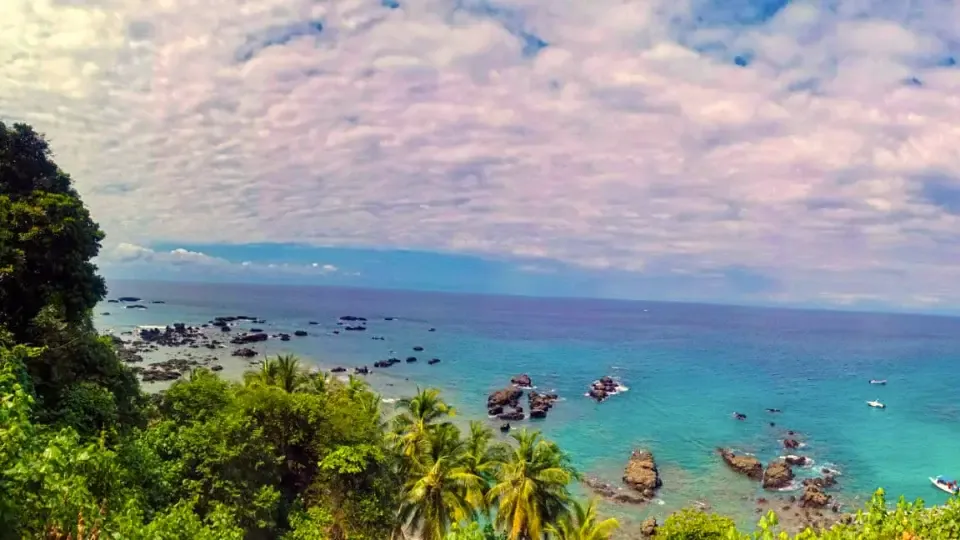
Caño Island Biological Reserve lies 16 km off the Osa Peninsula and is reached by boat on a day tour, with snorkeling or diving over some of the largest coral reefs on Costa Rica’s Pacific coast.
- Guide required: you can only visit with a registered local guide or licensed operator.
- Our local pick: La Perla del Sur (Sierpe, since 2003) runs Caño Island snorkeling and diving tours.
- Fees (SINAC): US$15 for foreign adults, US$5 for children; ₡1,600 for Costa Rican adults, ₡500 for children. Diving adds US$4. Most tours include the fee. Checked on SINAC's page on 10 November 2026; it does not say whether tax is included.
- Day visits only: two visiting windows, 7:00–11:00 a.m. and 11:00 a.m.–3:00 p.m. No overnight stays.
- Limited numbers: groups of up to 20 per trail and 10 divers per dive zone at a time. Reservations open up to six months ahead.
Some links on this page are affiliate links. If you book through them, Pura Osa may earn a small commission at no extra cost to you. Recommendations are not paid.
Prices at a glance (October 2026)
| What | Price (per person unless noted) | Includes / notes |
|---|---|---|
| Entrance fee (SINAC) | US$15 adults · US$5 children (foreign) | Costa Ricans ₡1,600 / ₡500; diving adds US$4. Usually included in tours. |
| Snorkel tour from Drake Bay | US$95–145 | Boat, guide, park fee, gear, snacks and lunch; about 45 min each way |
| Snorkel tour from Uvita | About US$135–145 | Longer boat ride, about 1 h 15 min each way |
Prices checked in October 2026 with operators and official sources; they change by season and operator, so confirm when you book. Sources: SINAC · Pacheco Tours.
How to get there
| Departure | Boat time | Typical tour price |
|---|---|---|
| Drake Bay | About 45 minutes | About US$120–145 |
| Uvita | About 1 h 15 min | About US$135–145 |
| Sierpe | Longer; usually combined with the mangrove ride | Ask local operators |
Full-day snorkeling tours usually include the boat, equipment, guide, park fee and a light meal. Prices are approximate.
What you will see underwater
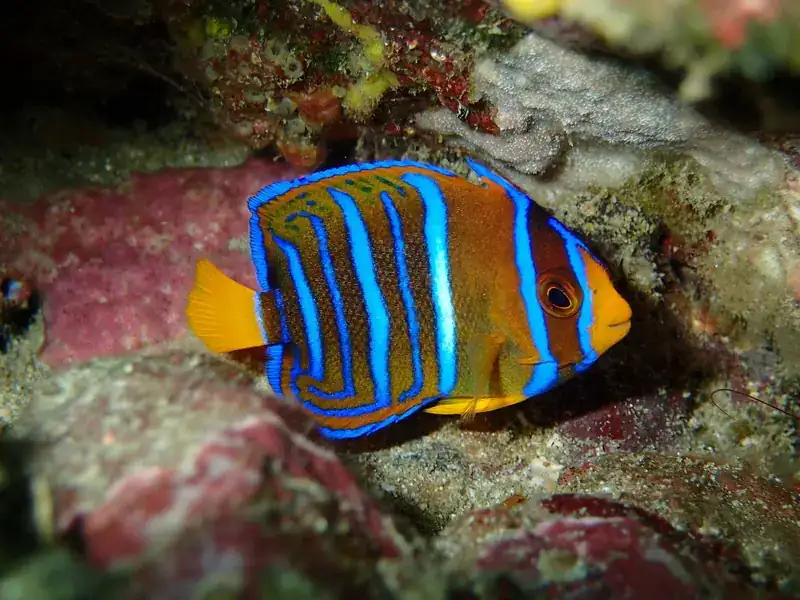
The reserve covers about 5,800 hectares of ocean, with several coral platforms that form one of the largest reef systems on Costa Rica's Pacific coast. Expect green sea turtles, eagle rays, white-tip reef sharks, moray eels and big schools of snapper and jacks. Dolphins are common on the crossing, and humpback whales pass by during whale season.
- Snorkeling: suitable for confident swimmers; the guide chooses the site according to currents and visibility.
- Diving: for certified divers, at sites roughly 15–25 m deep. Dive zones are capped at 10 divers at a time, so book early.
Best time to go
December to April usually brings the calmest seas and the clearest water, often 15–25 m of visibility. From May to November the sea can be choppier and visibility lower, though many days are still excellent. Morning departures tend to have calmer water.
An island with ancient history
Caño Island was protected as a biological reserve in 1976. Long before that, pre-Columbian peoples of the region used it, and remains of the famous stone spheres of southern Costa Rica have been found here. Respect the rule: look, photograph, and leave everything as you found it.
Rules and responsible snorkeling
- Do not touch or stand on coral, and do not feed or chase marine life.
- Use reef-safe sunscreen, or better, a long-sleeve rash guard.
- No fishing, alcohol, picnics or collecting shells, rocks or coral. Stay on marked trails.
- Drones need a civil aviation permit.
Official information: SINAC – Reserva Biológica Isla del Caño
Where to stay in Drake Bay: live map
Hotels, cabins, lodges and vacation rentals in and around Drake Bay, with current prices. Move the map or set your dates to compare.
See the full list of places to stay in Drake Bay →
Packing for this trip? See what to pack for Osa and our Trip Shop.
Caño Island on the map of OsaOpen map →Frequently asked questions
Can I visit Caño Island on my own?
No. Visits require a registered local guide or licensed operator.
Is the entrance fee included in tours?
In most full-day tours, yes. Confirm when you book.
Do I need to know how to swim?
Yes, you should be comfortable in open water. Guides provide life vests or floats if you ask.
Drake Bay or Uvita for Caño Island?
Drake Bay is closer (about 45 minutes). From Uvita the ride is longer but easy to combine with whale watching.
Some links on this page are affiliate links. If you book through them, Pura Osa may earn a small commission at no extra cost to you. Fees and rules change; always confirm with SINAC or your operator.