 Pura Osa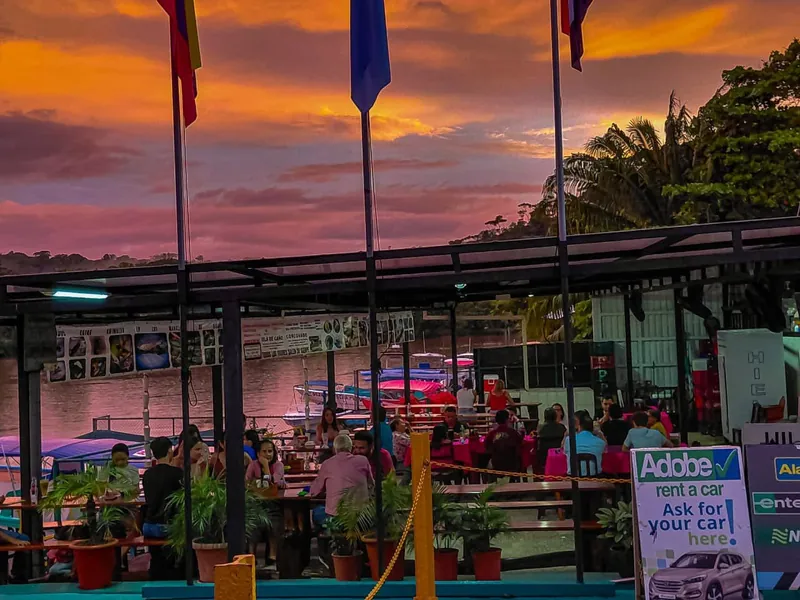
Key facts
- Protected area: Térraba-Sierpe National Wetland, about 26,800 hectares, protected since 1994 and a Ramsar wetland of international importance since 1995.
- Tour length: about 3 hours by boat; full-day trips to the river mouth take 6–7 hours.
- Typical price: about US$105–190 per person on a shared tour; private boats are charged per boat.
- Best time: early morning. Guides time the trip with the tide.
- Starting point: the town of Sierpe, about 15 km from Palmar Norte and roughly an hour’s drive from Uvita.
Why the mangroves matter
Mangroves are trees that live with their roots in salt and fresh water. In Térraba-Sierpe they shelter about 200 species of fish, 60 of crustaceans, 27 of reptiles and close to 150 of birds. They are the nursery for much of the fish caught along the Osa coast, they filter the water that reaches Caño Island’s reefs, and they store large amounts of carbon in their mud. When you pay a local guide to show you this forest, you help prove it is worth more standing.
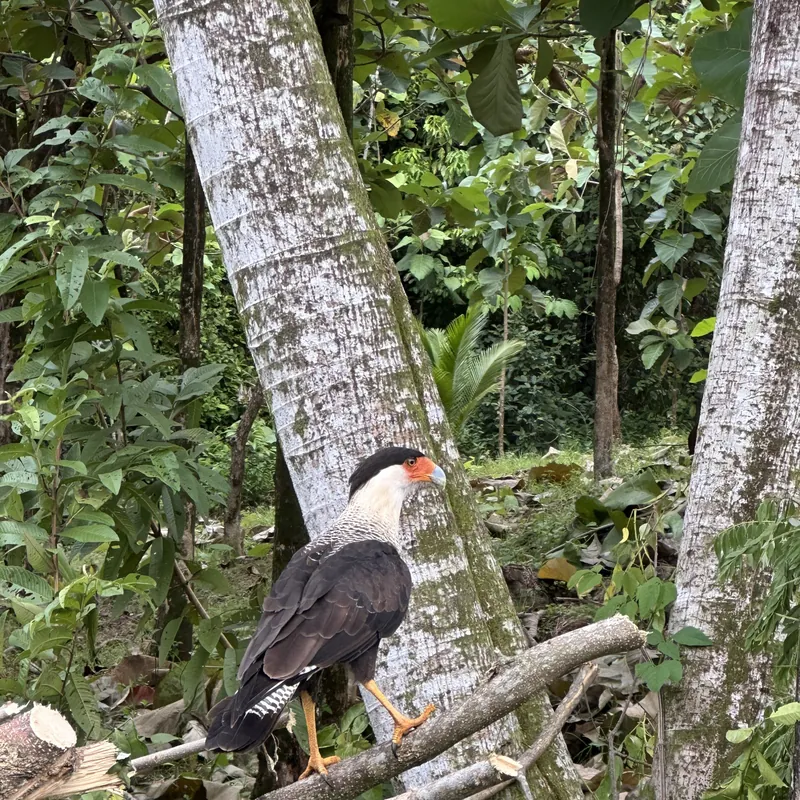
What you can see
- Mammals: white-faced capuchin, howler and squirrel monkeys, two- and three-toed sloths, coatis and crab-eating raccoons.
- Reptiles: American crocodiles, caimans, green iguanas, basilisks, mangrove boas and river turtles.
- Birds: herons, egrets, kingfishers, ospreys and toucans; ask your guide for the mangrove hummingbird, found only in Costa Rica.
Types of tours
| Option | Time | Good for |
|---|---|---|
| Boat tour | About 3 h | Most visitors, families, photography |
| Kayak tour | About 3 h | Quiet approach into small channels; calm water |
| Full day to the river mouth | 6–7 h | Birders and anyone who wants the full estuary |
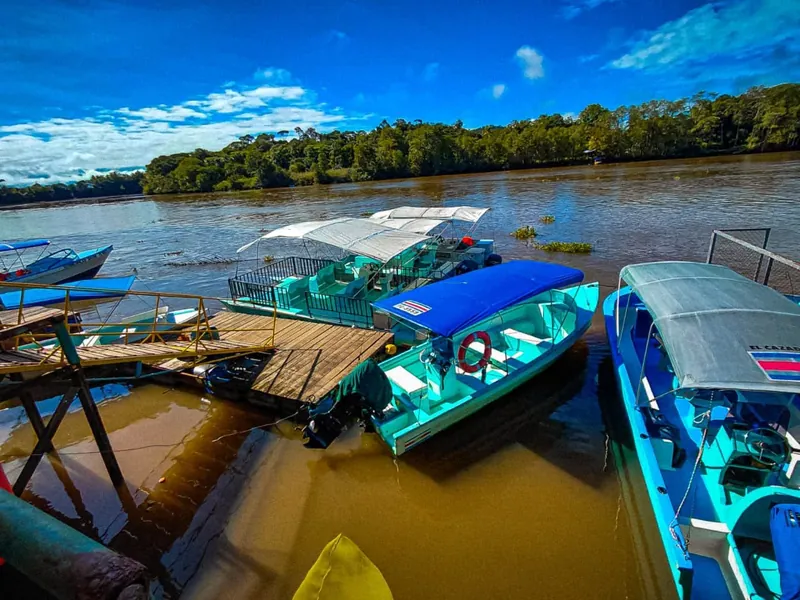
| Boat to Drake Bay | 1–1.5 h | A preview of the mangroves on your way to Drake |
Prices are approximate and usually include the guide, boat, water and a snack.
In Sierpe: our recommended stops
Sierpe is a small river town, and a few places make the day much easier. These are the ones we trust:
- Puerto Dock Boat Sierpe to Drake · the dock where boats leave for Drake Bay and many tours. Google Maps
- Oleaje Sereno · riverside hotel, bar and restaurant: sleep here the night before an early boat or tour. Google Maps
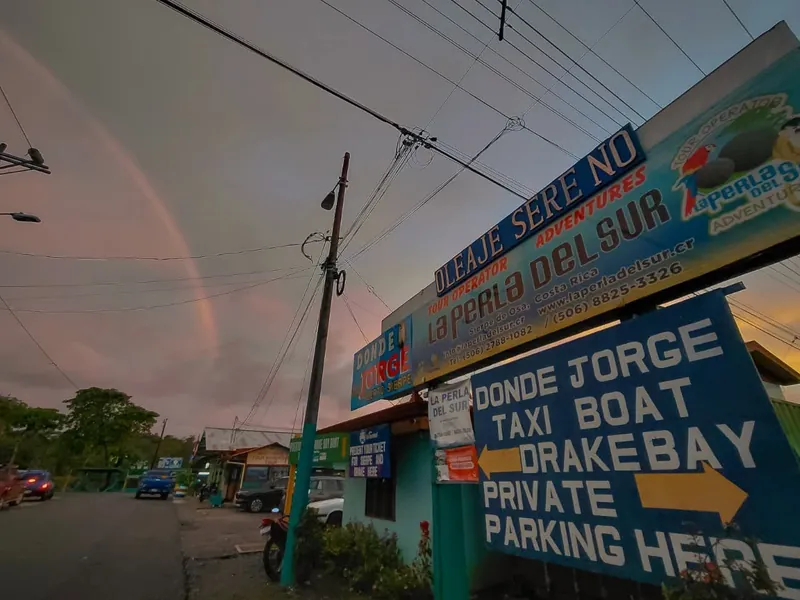
- Donde Jorge · bar, restaurant and boat landing: breakfast before you go, a cold drink and a casado when you are back. Google Maps
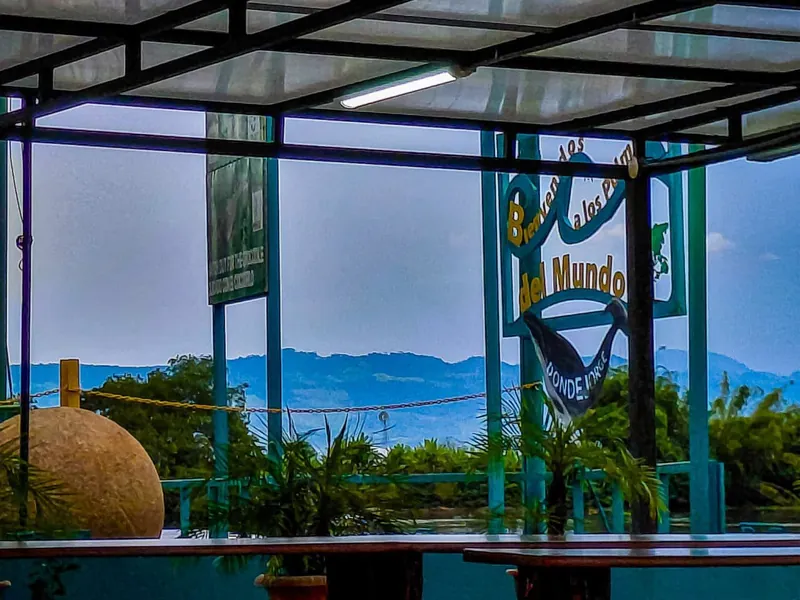
Add the stone spheres: Finca 6
Ten minutes from Sierpe, near Palmar Sur, the Finca 6 archaeological site shows the stone spheres of the Diquís culture right where they were found. It is part of the UNESCO World Heritage site of the Diquís chiefdoms and is run by the National Museum of Costa Rica. It usually opens Tuesday to Sunday, 8 a.m. to 4 p.m.; confirm before you go. A mangrove tour in the morning and Finca 6 after lunch make a perfect day.
Tips for a good tour
- Bring water, a hat, sunscreen, insect repellent, binoculars and a dry bag for your phone.
- Wear light long sleeves: they help with both sun and mosquitoes.
- Choose a certified local guide. Their eyes find the boa in the branches that you would never see.
- Ask about the tide when you book: it decides how far you can go into the narrow channels.
Frequently asked questions
How long is a Sierpe mangrove tour?
Most boat tours last about 3 hours. Full-day trips to the river mouth take 6–7 hours, and the boat to Drake Bay crosses part of the mangroves in 1–1.5 hours.
How much does a Sierpe mangrove tour cost?
Shared 3-hour boat tours usually cost about US$105–190 per person. Private boats are charged per boat and become cheaper per person in a group.
What animals can you see in the Sierpe mangroves?
Capuchin, howler and squirrel monkeys, sloths, crocodiles, iguanas, mangrove boas, river turtles and well over 100 bird species, including the mangrove hummingbird, found only in Costa Rica.
What is the best time for a mangrove tour?
Early morning, when animals are active and it is cooler. Guides also plan around the tide, which decides how far the boat can enter the narrow channels.
Some links on this page are affiliate links. If you book through them, Pura Osa may earn a small commission at no extra cost to you. Business photos are used with permission. Prices and hours change; always confirm with your operator.