 Pura Osa
Key facts
- Where: the southern tip of Costa Rica’s Pacific coast, on the Burica Peninsula shared with Panama.
- Getting there: 1.5–2 h by road from Golfito to Pavones; the road ends past Punta Banco.
- Don’t miss: the Pavones left on a big south swell, and a turtle release at Punta Banco in season.
- Respect: the hills are home to the Ngäbe people of the Conte Burica indigenous territory; visit only with an invitation or a local guide.
Things to do around Punta Burica
Surf Pavones
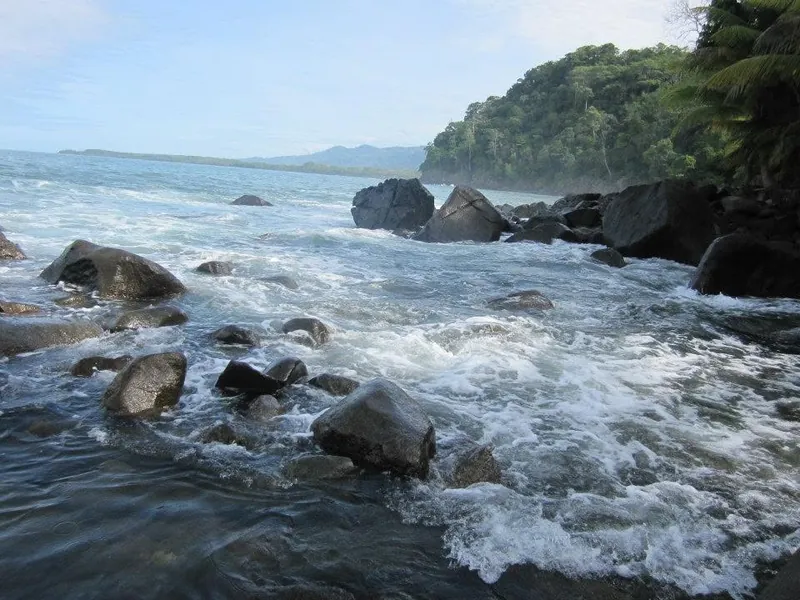
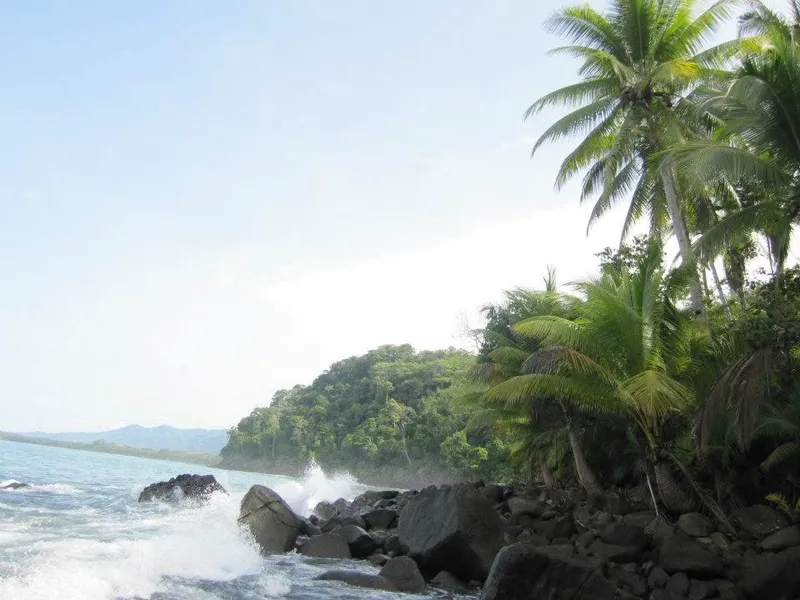
Pavones is known worldwide for one of the longest left-hand waves on the planet, peeling along the river mouth at the end of the Golfo Dulce. It needs a strong south swell, usually from April to October; when it breaks, surfers come from everywhere.
Sea turtles at Punta Banco
Since 1996, Punta Banco has protected the nests of olive ridley, green and hawksbill turtles. Today the project is run entirely by the community, which watches the beach, moves nests to a hatchery and releases the hatchlings, usually from November to January.
Tide pools, waterfalls and forest
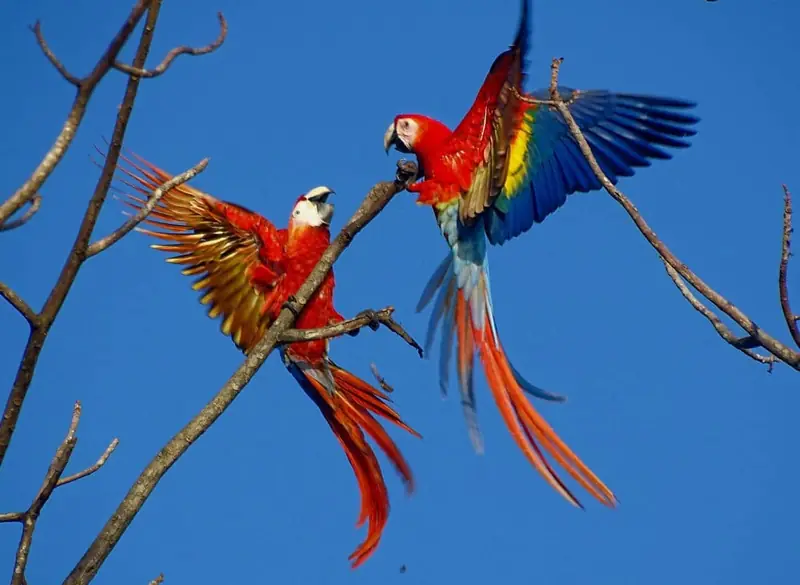
Past Punta Banco the coast turns wild: rocky points with tide pools at low tide, small waterfalls coming out of the forest and almost no traffic. Scarlet macaws, toucans, squirrel and howler monkeys live in the forest that still covers the hills.
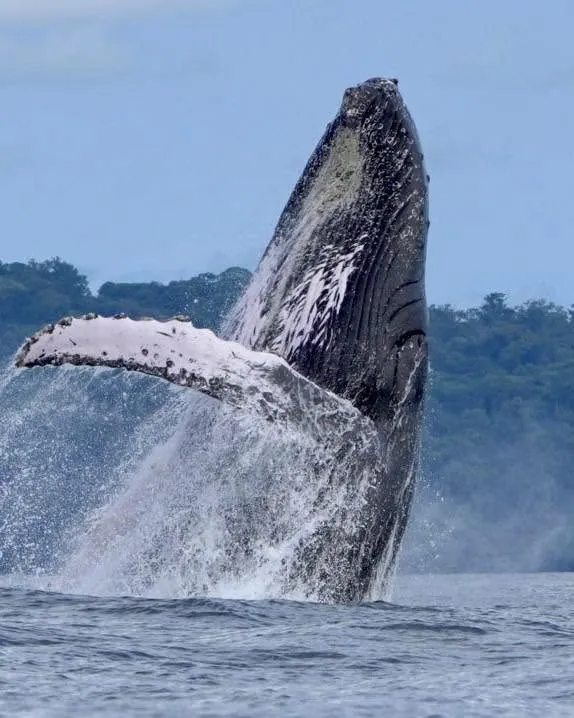
Whales and dolphins
Humpback whales pass close to this coast on their way into and out of the Golfo Dulce, mainly from July to October, and dolphins are common all year. Local boats from Pavones and Golfito offer trips.
The Ngäbe of Conte Burica
The hills above the coast belong to the Conte Burica indigenous territory, home of Ngäbe communities. If you are interested in their culture or crafts, ask your lodge about respectful, community-led visits.
When to go
December to April is dry and best for the roads. April to October brings the south swells for Pavones and the humpback season. Turtle releases happen mostly from November to January.
Where to stay
Pavones has surf cabins, small hotels and rentals near the wave. Toward Punta Banco and Punta Burica you will find a few rainforest lodges and ranches by the sea, many off-grid. See also Golfito →
Live map: places to stay in Pavones & Punta Banco
Hotels, cabins, lodges and vacation rentals in and around Pavones & Punta Banco, with current prices. Move the map or set your dates to compare.
See the full list of places to stay in Pavones & Punta Banco →
Frequently asked questions
Where is Punta Burica?
At the southern end of Costa Rica’s Pacific coast, on the Burica Peninsula, which Costa Rica shares with Panama. The road runs south from Golfito through Conte to Pavones and Punta Banco, where it ends; beyond that the coast continues on foot or by horse.
How long does it take to get to Pavones?
About 1.5–2 hours by car from Golfito, much of it on gravel roads, and around 7–8 hours from San José. A 4x4 is recommended in the rainy season. A daily bus runs from Golfito.
When can I see sea turtles at Punta Banco?
The community turtle project protects olive ridley, green and hawksbill nests. Hatchlings are usually released from about November to January. Contact the project or your lodge before going.
Is Pavones good for beginners?
The main Pavones wave is a long, fast left for experienced surfers, and it needs a big south swell to work. On small days and in the beach breaks nearby, beginners can learn with a local instructor.
Some links on this page are affiliate links. If you book through them, Pura Osa may earn a small commission at no extra cost to you. Recommendations are not paid. Prices, hours and schedules change; always confirm locally.