 Pura Osa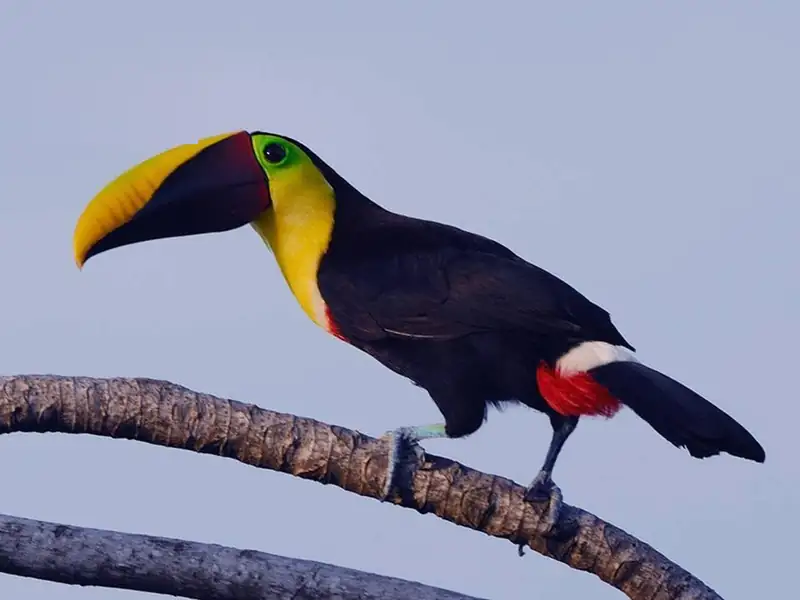
Key facts
- Species: close to 400 recorded on the Osa Peninsula; more than 900 in Costa Rica.
- Specialties: Black-cheeked Ant-Tanager, Yellow-billed Cotinga, Mangrove Hummingbird, Baird’s Trogon, Fiery-billed Aracari, scarlet macaw.
- Best season: December to April (dry, with northern migrants); every morning from 5:30 to 9 a.m.
- Top places: Corcovado, the Sierpe mangroves, Puerto Jiménez and Matapalo, the Costa Ballena hills.
Birds you can only see here
The southern Pacific lowlands of Costa Rica and western Panama form their own small bird region, separated from the rest of Central America by mountains and dry forest. That is why Osa has birds that you will not find in Monteverde or on the Caribbean coast:
- Black-cheeked Ant-Tanager · found only around the Osa Peninsula and the Golfo Dulce, in groups that follow the understory of the forest. It is listed as endangered, and the local research group Osa Birds studies why so few of its nests survive.
- Yellow-billed Cotinga · a pure white bird of the mangrove edges, endangered and best seen by boat in the Térraba-Sierpe wetland and around the Golfo Dulce.
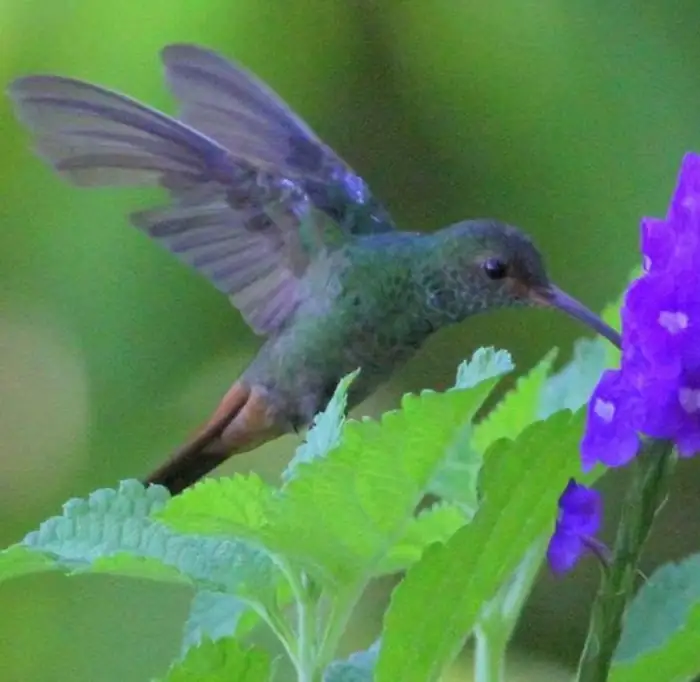
- Mangrove Hummingbird · endemic to Costa Rica’s Pacific mangroves, where it feeds on the flowers of the tea mangrove.
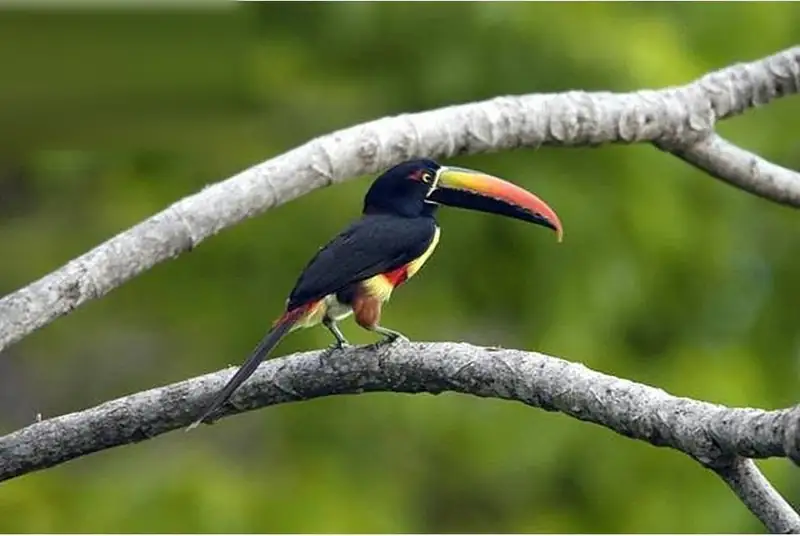
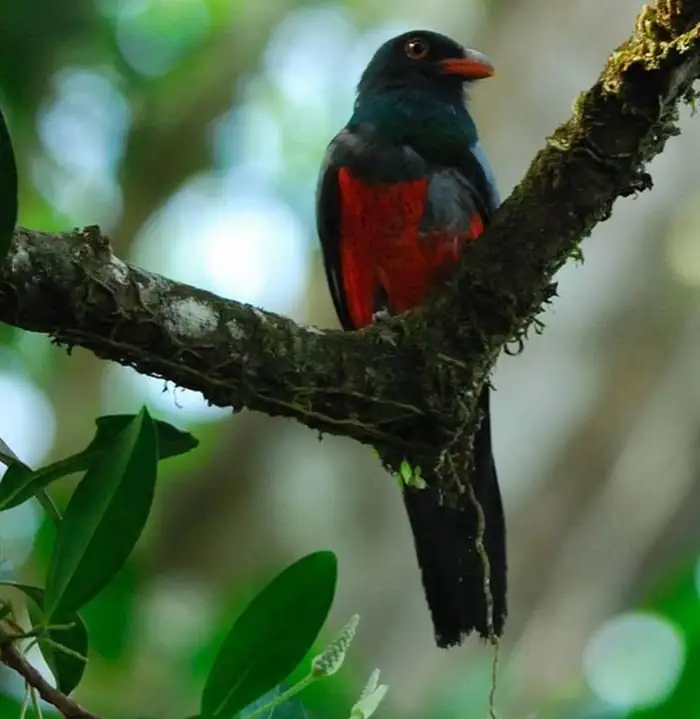
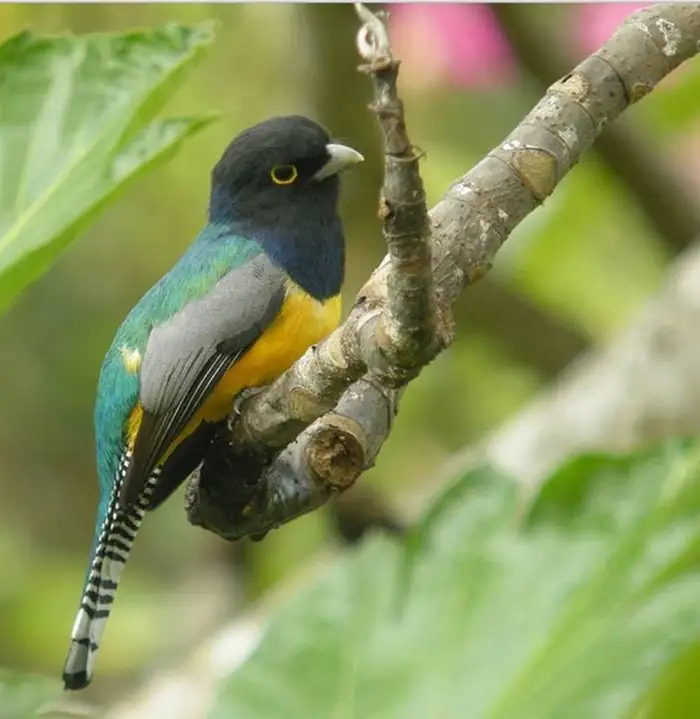
- Baird’s Trogon, Fiery-billed Aracari, Turquoise Cotinga, Riverside Wren, Orange-collared Manakin · South Pacific specialties shared only with western Panama.
Birds you will almost certainly see
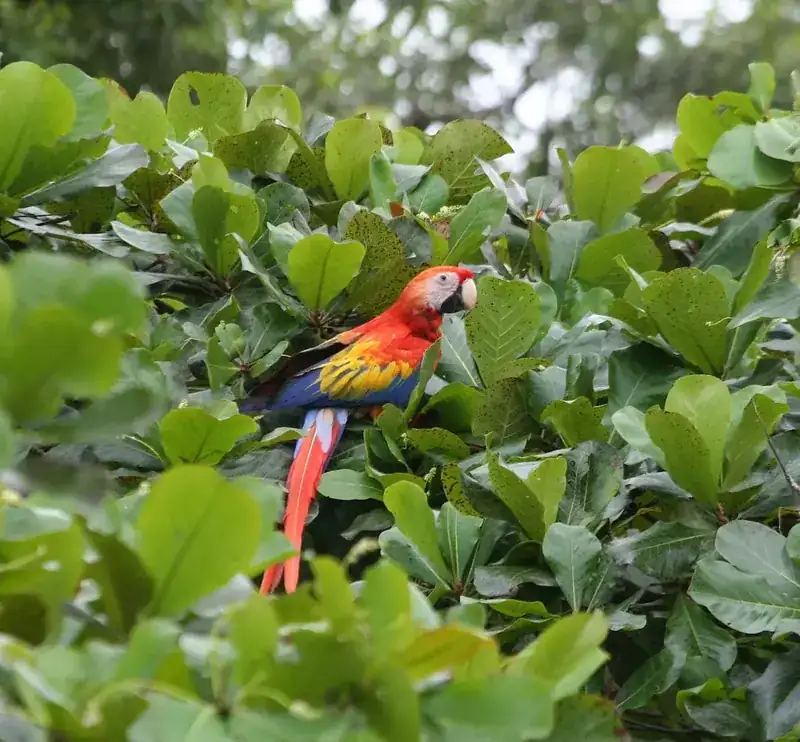
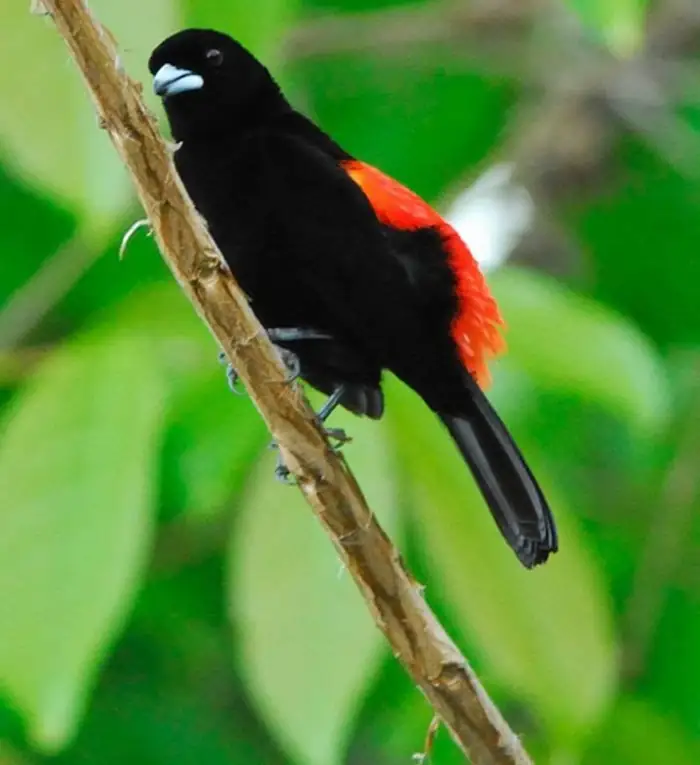
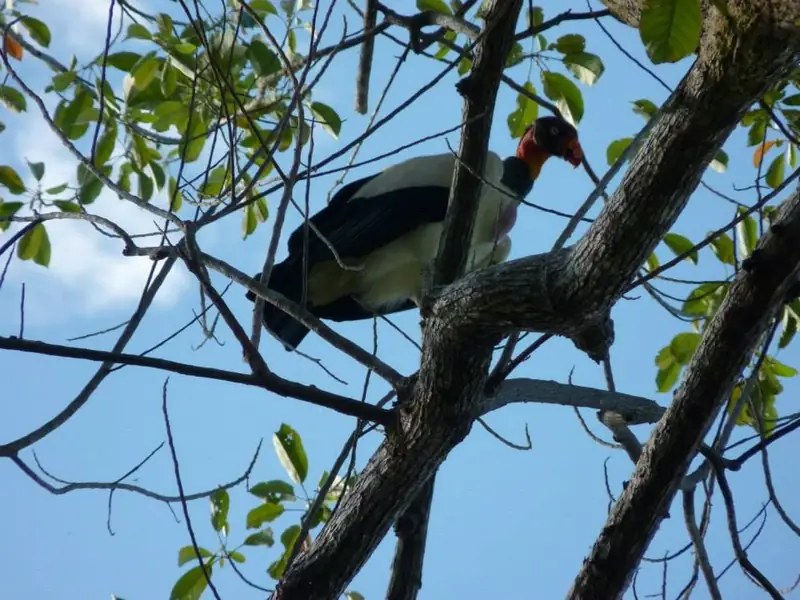
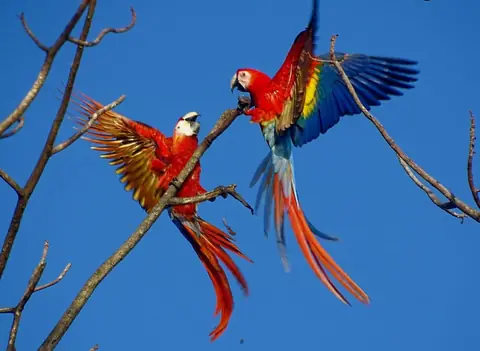
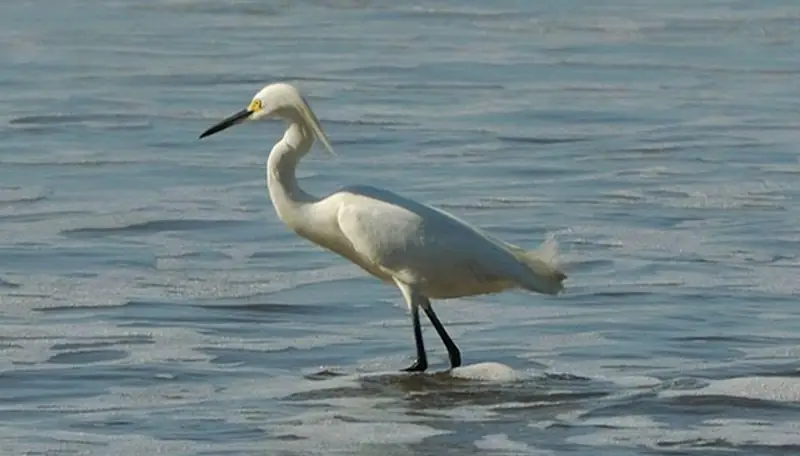
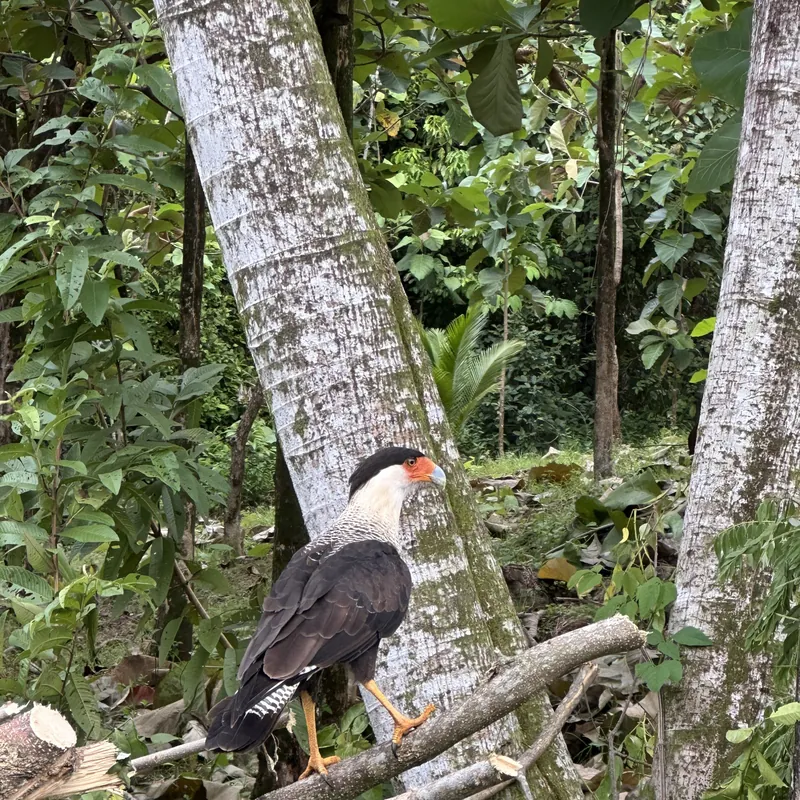
Even without binoculars, Osa is full of color. Scarlet macaws fly in noisy pairs along the coast, and the peninsula holds one of the largest wild populations in Costa Rica. Yellow-throated toucans call from the treetops at dawn, scarlet-rumped tanagers visit every garden, and yellow-headed caracaras sit on fence posts by the road. On the water look for brown pelicans, magnificent frigatebirds, egrets and herons; overhead, king vultures and hawks.
Where to go birdwatching in Osa
Corcovado National Park
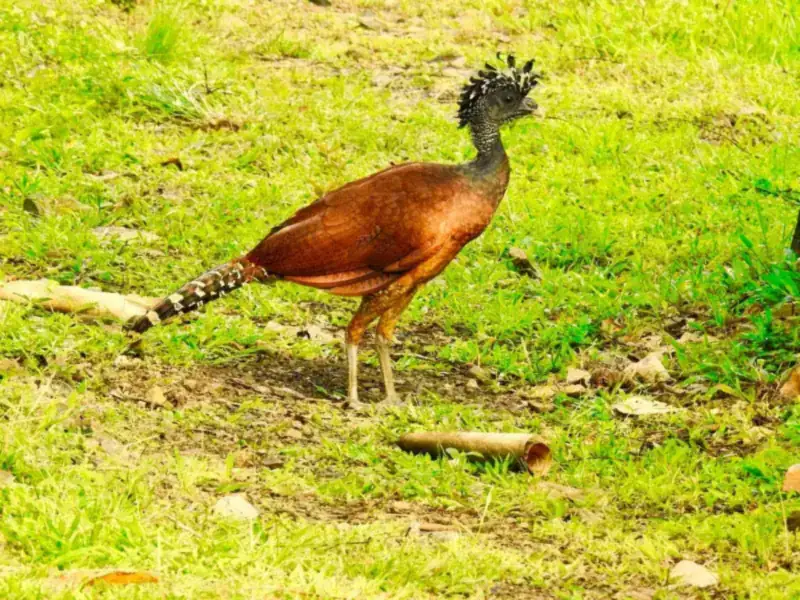
The largest lowland rainforest on the Pacific coast of Central America: scarlet macaws, great curassows walking on the trails, king vultures, trogons and, with patience, rare forest raptors. A certified guide is mandatory and reservations open up to six months ahead. Check our guide for the sectors that are currently open. Corcovado guide →
The Sierpe mangroves (Térraba-Sierpe)
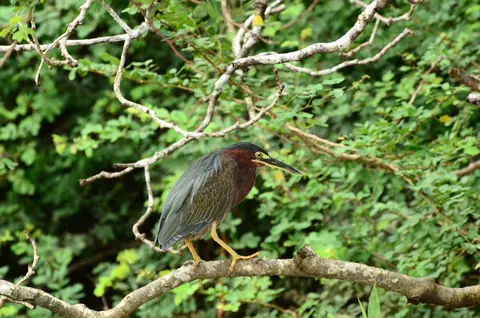
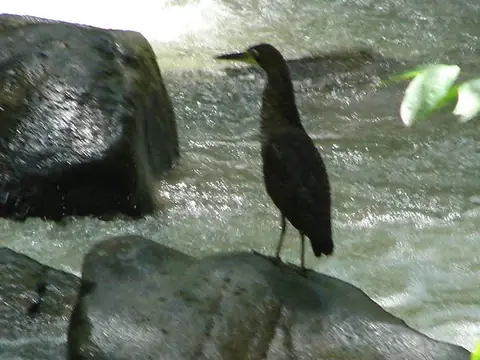
An early boat trip through the Térraba-Sierpe National Wetland is the best way to find the Yellow-billed Cotinga, the Mangrove Hummingbird, boat-billed and green herons, kingfishers and mangrove black hawks. Ask for a birding-focused departure at sunrise. Mangrove tour guide →
Puerto Jiménez, Cabo Matapalo and the Golfo Dulce
The forest edges around Puerto Jiménez and the road to Matapalo are classic spots for macaws, the Black-cheeked Ant-Tanager and other Osa specialties, and the mudflats and mangroves of the gulf attract shorebirds, herons and ospreys. From Golfito, boat days on the gulf combine birds with dolphins. Puerto Jiménez · Matapalo · Golfito
The Costa Ballena hills
Above Dominical, Uvita and Ojochal, the forested hills hold toucans, aracaris, trogons, motmots and hummingbirds, and many lodges have fruiting trees and gardens where birds come close at breakfast. On the beaches and river mouths, watch for frigatebirds, pelicans and egrets. Uvita · Ojochal · Dominical
When to go
| Months | What to expect |
|---|---|
| Dec–Apr | Dry season: easy trails, northern migrants, many residents start nesting. The most popular time. |
| May–Aug | Green season begins: sunny mornings, afternoon rain, fewer visitors and fledglings everywhere. |
| Sep–Nov | The wettest months; some trails and Corcovado sectors may close. Migrants return from October. |
Whatever the month, the first three hours after sunrise are the best. Birds are quiet in the heat of midday and become active again late in the afternoon.
Tips for birding responsibly
- Hire a local birding guide: you will see more, and your money stays in the community.
- Bring binoculars (8x42 is ideal in the forest), a rain cover and quiet, dull-colored clothes. The free Merlin and eBird apps work well in Costa Rica.
- Keep your distance from nests, do not feed birds and use recorded calls sparingly, never inside national parks.
- Share your sightings on eBird: local researchers use the data. And consider supporting Osa Birds or the other organizations on our Support Osa page.
Frequently asked questions
How many bird species live in Osa?
Close to 400 species have been recorded on the Osa Peninsula alone, and the wider region, with the Térraba-Sierpe mangroves, the Golfo Dulce and the hills of the Costa Ballena, adds many more. Costa Rica as a whole has more than 900.
What is the best time of year for birdwatching in Osa?
December to April brings the driest weather and easy trails, plus migrants from North America, which arrive from about October and stay until April. Many resident birds start nesting in the dry season. The green season (May to November) is quieter and lusher, with rain mostly in the afternoon, so bird in the early morning.
Which birds are found only in this region?
The Black-cheeked Ant-Tanager lives only around the Osa Peninsula and the Golfo Dulce and is endangered. The Mangrove Hummingbird is found only in Costa Rica’s Pacific mangroves. The Yellow-billed Cotinga, Baird’s Trogon, Fiery-billed Aracari, Turquoise Cotinga and Riverside Wren are shared only with neighboring western Panama.
Do I need a guide to go birdwatching?
Inside Corcovado National Park a certified guide is mandatory. Elsewhere it is optional, but a local birding guide will find and identify far more species, knows where the specialties are and usually carries a spotting scope. It is also a direct way to support local families.
Where can I see scarlet macaws in Osa?
Almost anywhere on the peninsula: Corcovado, Drake Bay, Puerto Jiménez and Cabo Matapalo, often feeding on beach almond trees by the shore. They are also seen more and more along the Costa Ballena, around Uvita and Ojochal. Listen for their loud calls in the early morning and late afternoon.
Some links on this page are affiliate links. If you book through them, Pura Osa may earn a small commission at no extra cost to you. Recommendations are not paid. Prices, hours and schedules change; always confirm locally.