 Pura Osa
The park at a glance
Figures were compared across several summaries and official statistics. Where they disagree we show a range or “about”, and we update this page when better data appears.
How big is it?
Corcovado covers about 424 square kilometers, close to a third of the Osa Peninsula and the largest national park in Costa Rica. It reaches from the coast, with beaches and mangroves, up through lowland rainforest to cloud forest on the higher ground. At least 13 main vegetation types have been described, and some counts go much higher depending on how habitats are grouped. A few sources add a band of sea of roughly 34 km² to the total, which explains slightly larger numbers.
Who lives here: species counts
| Group | How many |
|---|---|
| Trees | About 500 species, roughly a quarter of Costa Rica’s tree species. |
| Birds | Around 370 to 400 species, including the largest wild population of scarlet macaws in Costa Rica. |
| Mammals | About 100 species (104 in one count), including all four Costa Rican monkeys, Baird’s tapir, jaguar and puma. |
| Reptiles and amphibians | More than 110 species together (117 in one count). |
| Freshwater fish | About 40 species. |
| Butterflies | More than 200 species (about 220 reported). |
| Sea turtles | Up to four species nest on the park’s beaches. |
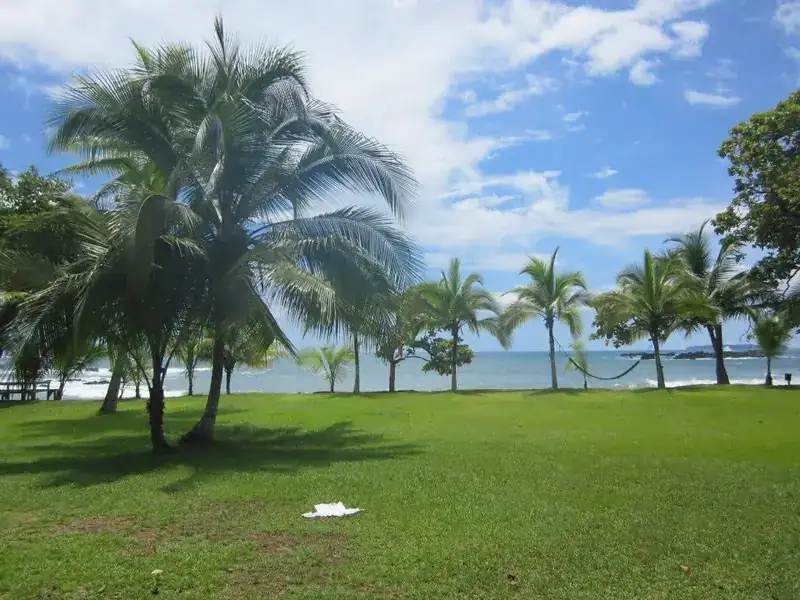
Those numbers explain the reputation. A park that covers less than one percent of the country holds, by most counts, a large share of its tree species and a wide range of its mammals and birds. A well-known line from National Geographic called the area among the most biologically intense on Earth, and while nobody can measure that precisely, the species lists show why it stuck. Birdwatching in Osa.
Rain, heat and the best months
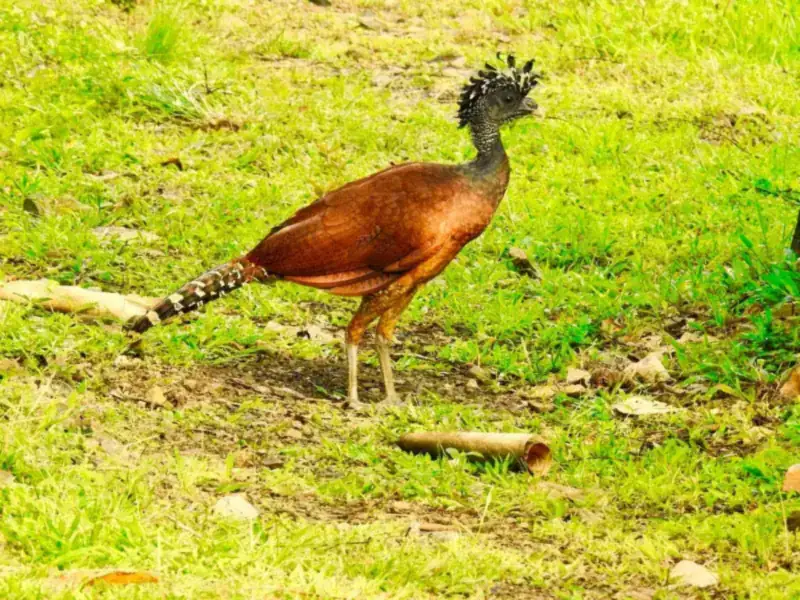
Annual rainfall runs from about 1,800 mm in the drier parts to more than 6,000 mm in the wettest. September to November is the heart of the rainy season, and some trails can close between July and November. The dry months, roughly December to April, are easier for hiking, but the forest is green and alive all year. For a month-by-month plan, see the best time to visit Osa.
The park through the years
| When | What happened |
|---|---|
| 1960s | Logging starts on the peninsula. |
| 1975 | The park is decreed on October 24. |
| 1986 | Roughly a thousand gold miners are evicted from the park. |
| 2014 | Certified guides become mandatory (February 1). |
| Sept 17, 2026 | Sirena’s daily limit rises to 366 people. See the sectors guide. |
The longer story, with the banana years, the gold rush and the decree, is in the history of Osa.
Planning a visit? The numbers that change
Fees, daily limits per sector and the rules for guides change from season to season, so we keep them in our practical guides, where we update them as soon as the park announces something: Corcovado sectors compared · How to book Corcovado · Corcovado National Park guide.
Next: Osa in numbers.
Frequently asked questions
How big is Corcovado National Park?
About 424 square kilometers, roughly a third of the Osa Peninsula. Some counts add a strip of sea of about 34 km², which is why you may see slightly larger figures.
How many species live in Corcovado?
Roughly 500 tree species, 370 to 400 birds, around 100 mammals, more than 110 reptiles and amphibians, about 40 freshwater fish and over 200 butterflies. Counts vary by source and by year, so treat them as orders of magnitude.
How many jaguars are there?
Estimates mention around 50 jaguars in the park. They are very hard to see: most visitors never spot one, and cameras and tracks are how researchers follow them.
How rainy is Corcovado?
Very. Depending on the zone, rainfall runs from about 1,800 mm to more than 6,000 mm a year. The wettest months are September to November, and some trails can close between July and November.
Where do I find current fees and daily limits?
Fees and daily limits change, so we keep them on our practical guides instead of here: see the Corcovado sectors guide and the booking guide.
Some links on this page are affiliate links. If you book through them, Pura Osa may earn a small commission at no extra cost to you. Recommendations are not paid. Prices, hours and schedules change; always confirm locally.